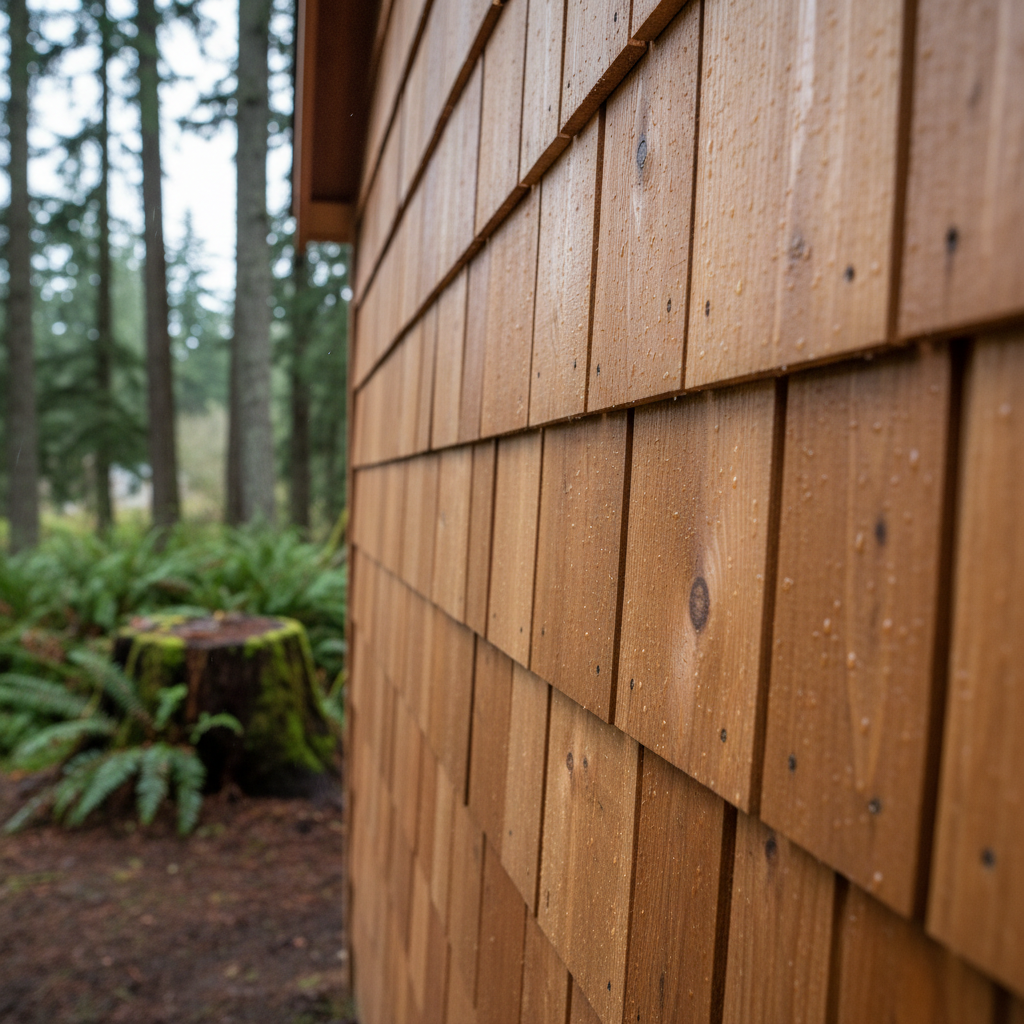
So, you're eyeing that corner of your yard and thinking, "That'd make a perfect office." I totally get it. Working from home is here to stay for a lot of us, and trying to focus with kids, pets, or just the general buzz of the house can be a real headache, can't it? An office shed can be a game-changer for productivity and sanity. But before you grab a hammer or your wallet, let's talk about what actually goes into making that dream a reality here in Raymond.
Before You Start: The Nitty-Gritty Planning
First things first, you can't just plop a shed down anywhere. You've got to think about permits. In Raymond, like most places, there are rules about accessory structures. Generally, if your shed is under 200 square feet, you might not need a building permit, but you'll still want to check with the city's planning department. They'll tell you about setbacks from property lines – you definitely don't want to build something only to find out it's too close to your neighbor's fence or the street. Trust me, a quick call or visit upfront saves a lot of grief later.
Then there's the site itself. Is it level? Does it drain well? We get a lot of rain here in Raymond, especially in those low-lying areas near the Willapa River, so good drainage is crucial. You don't want your new office sitting in a puddle. Think about sunlight too – do you want morning sun, afternoon sun, or mostly shade? This impacts comfort and energy use. And what about utilities? If you want power, internet, or even plumbing for a small sink or toilet, that's a whole other layer of planning and usually involves trenching and electrical work that you probably shouldn't DIY unless you're a licensed pro, right?
DIY vs. Pro: What You Can Tackle
Alright, let's get down to brass tacks: what can you actually do yourself? If you're handy with tools, you can absolutely handle some parts of this project. Building a simple shed foundation, for instance, might be within your wheelhouse. A gravel pad with pressure-treated skids is a common, relatively straightforward option for smaller sheds. You'll need to dig out the area, lay down landscape fabric, add gravel, and compact it. It's labor-intensive, but totally doable.
Framing a basic shed can also be a DIY project if you're comfortable with carpentry. There are tons of plans online. But here's where I see people get into trouble: getting things square, plumb, and level. If your foundation isn't right, or your walls aren't square, everything else becomes a nightmare. Roofing, especially if it's anything more complex than a simple lean-to, can be tricky and dangerous. Electrical work? Unless you're a certified electrician, don't even think about it. That's a safety issue and a permit issue.
For most folks, the sweet spot is often buying a pre-built shed or a kit. You still get to do some of the work – maybe the site prep, painting, or interior finishing – but the heavy lifting of construction is handled. That's where a local company like Custom Sheds of Raymond comes in. We build these things every day, so we know how to make them sturdy, weather-tight, and up to code for our climate.
During the Build: Staying on Track
Whether you're building it yourself or having it delivered, communication is key. If you're DIYing, stick to your plans, measure twice, cut once, and don't rush. If you hit a snag, don't be afraid to ask for help from a knowledgeable friend or even hire a carpenter for a few hours to get you past a tricky spot. It's cheaper than tearing down and rebuilding a wall.
If you're working with a builder, make sure you're clear about what you want. Show them where it's going, discuss access for delivery, and confirm all the details about windows, doors, and any interior finishes. Good builders will keep you in the loop, but it's your project, so stay engaged.
After It's Done: Making It an Office
Once the structure is up, the real fun begins: making it your own. Insulation is a must-have for a comfortable office shed in Raymond. Our winters get cold and damp, and our summers can be surprisingly warm. Without insulation, you'll be roasting in July and freezing in January. Fiberglass batts, rigid foam, or spray foam are all options, depending on your budget and DIY comfort level.
Then comes the interior. Drywall or plywood for walls, flooring (laminate, vinyl plank, or even carpet squares are popular), lighting fixtures, and, of course, your desk and office setup. This is where you can really personalize it. Think about ventilation too – a small window or a vent fan can make a big difference in air quality and comfort, especially if you're spending hours in there. Don't forget about security; a good lock on the door and maybe even some simple window coverings can deter opportunistic thieves.
An office shed is a fantastic investment in your home and your productivity. Just make sure you go into it with your eyes open, understand what you're capable of, and know when to call in the experts. It'll save you headaches and ensure you end up with a space you genuinely love working in.