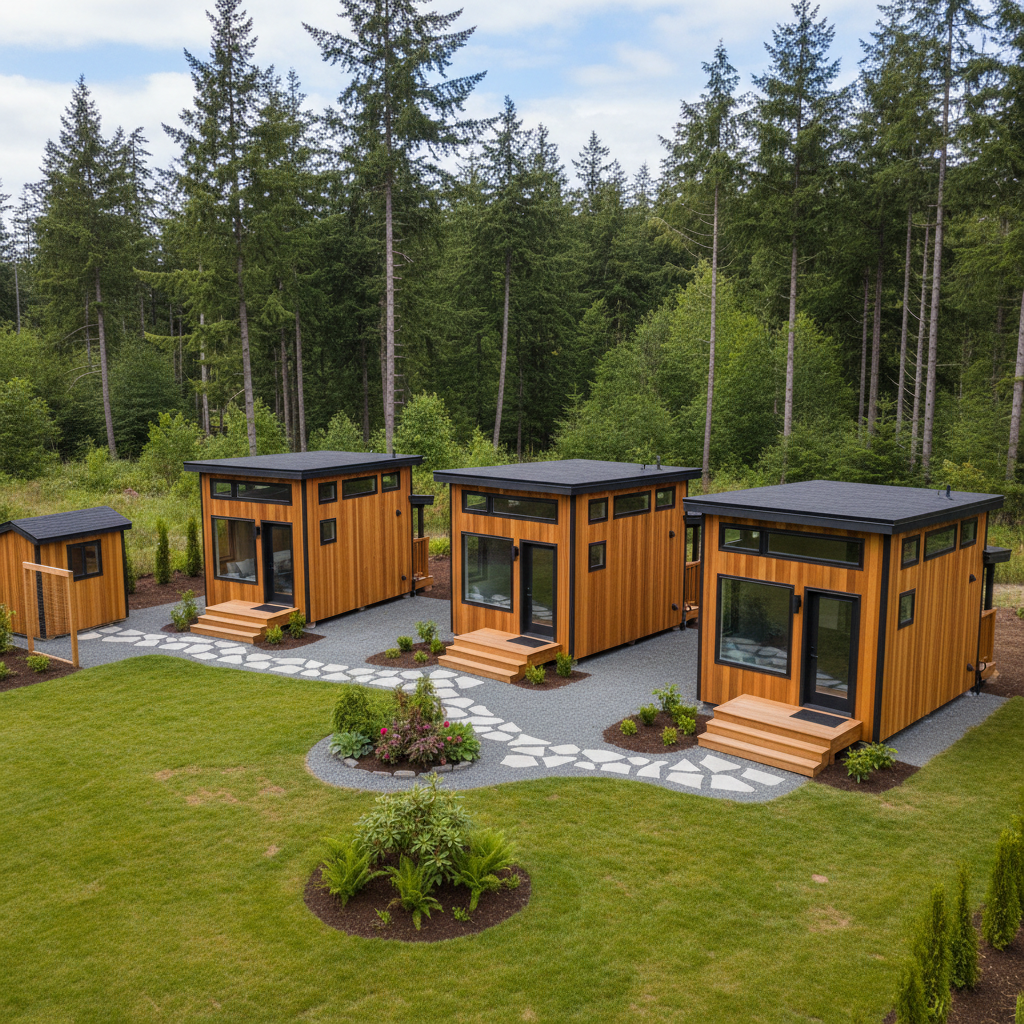
Building a tiny home isn't just about picking out cute decor; it's a serious construction project, even if it's small. I've seen folks jump in without a real plan, and that's usually when things get messy. If you're dreaming of a tiny house here in Raymond, you've got to approach it like any other build. Let's talk about what you need to know to get it done right.
Your Tiny Home Timeline: What to Expect
A tiny home project isn't a weekend job, not even for experienced builders. From the moment you decide you want one to the day you move in, you're looking at a significant chunk of time. Here's a rough breakdown:
- Planning & Design (2-4 months): This is where you figure out what you want, how big it'll be, and how it'll actually work. You'll work with designers, get blueprints drawn up, and make a million decisions about layouts, materials, and systems. Don't rush this part. Changes on paper are cheap; changes during construction are expensive, believe me.
- Permitting (1-3 months, or more): This is often the biggest wildcard. Depending on where you plan to put your tiny home – whether it's on a foundation, on wheels, or as an accessory dwelling unit (ADU) – the permitting process with Pacific County can vary wildly. You'll need to understand local zoning laws, septic or sewer hookups, electrical codes, and building inspections. Sometimes, especially with ADUs, the county might have specific requirements for things like setbacks or even minimum lot sizes.
- Construction (3-6 months): Once permits are in hand, the actual building can begin. This timeline depends on whether you're building it yourself, hiring a contractor, or buying a pre-built shell. Custom work always takes longer than assembly-line production.
- Finishing Touches & Landscaping (1-2 months): Even after the main structure is done, you'll still have interior finishing, utility connections, and any exterior work like decks, pathways, or just getting the ground around it looking decent.
So, all in, you're probably looking at 8 to 15 months from concept to move-in. That's a realistic expectation.
Preparing for Your Tiny Home Build
Preparation is key to avoiding headaches. You wouldn't just start digging without knowing what's underground, right? Same goes for a tiny home.
- Research Zoning & Codes: This is step one. Is a tiny home even allowed on your property? What are the size limits? What about utility connections? In Raymond, especially in some of the older, established neighborhoods, you might find specific rules about ADUs or secondary structures that could impact your plans. You need to know if it's considered a permanent dwelling, an RV, or something else entirely.
- Budget, Budget, Budget: Get real about costs. It's not just the structure; it's the foundation, utilities (water, sewer/septic, electricity), permits, design fees, and unexpected expenses. Add a contingency fund – I always recommend at least 10-15% of your total budget for surprises.
- Site Prep: Where's it going? Is the ground level? Do you need to clear trees or grade the land? What about access for construction vehicles? If you're on a sloped lot, you'll have extra costs for excavation and retaining.
- Utilities Plan: How will you get water, power, and deal with waste? Will you tie into existing systems, or do you need new connections? This can be a major cost and a permitting hurdle.
Questions to Ask Before Signing a Contract
You've done your homework, you've got a design, and now you're talking to builders. Don't just sign on the dotted line. Ask these questions:
- What's included in the quote, specifically? Get a detailed breakdown. Does it include permits? Site prep? Utility hookups? Appliances? What about interior finishes like paint or flooring? You don't want surprises later.
- What's the payment schedule? How much upfront? What are the milestones for subsequent payments? A reputable builder won't ask for 50% or more upfront.
- Can I see examples of your previous work? Photos are good, but if you can visit a completed project, even better. Talk to previous clients if possible.
- What's your estimated timeline, and what happens if you go over? Get it in writing. Understand what might cause delays and how they'll be communicated.
- Are you licensed, bonded, and insured in Washington State? This is non-negotiable. Don't work with anyone who isn't. Ask for proof.
- Who handles the permits and inspections? Ideally, your builder will manage this, but confirm it.
- What's your warranty on the work? How long does it last, and what does it cover?
- What's the communication plan? Who's my main point of contact? How often will I get updates?
- How do you handle change orders? If I want to change something mid-project, what's the process and cost implication?
Choosing to build a tiny home is exciting, and it can be a fantastic way to live. But like any construction project, it requires diligence and a clear understanding of the process. Take your time, ask the tough questions, and you'll be much happier with the end result. We at Custom Sheds of Raymond have seen all kinds of projects, big and small, and the ones that go smoothly always started with a solid plan.