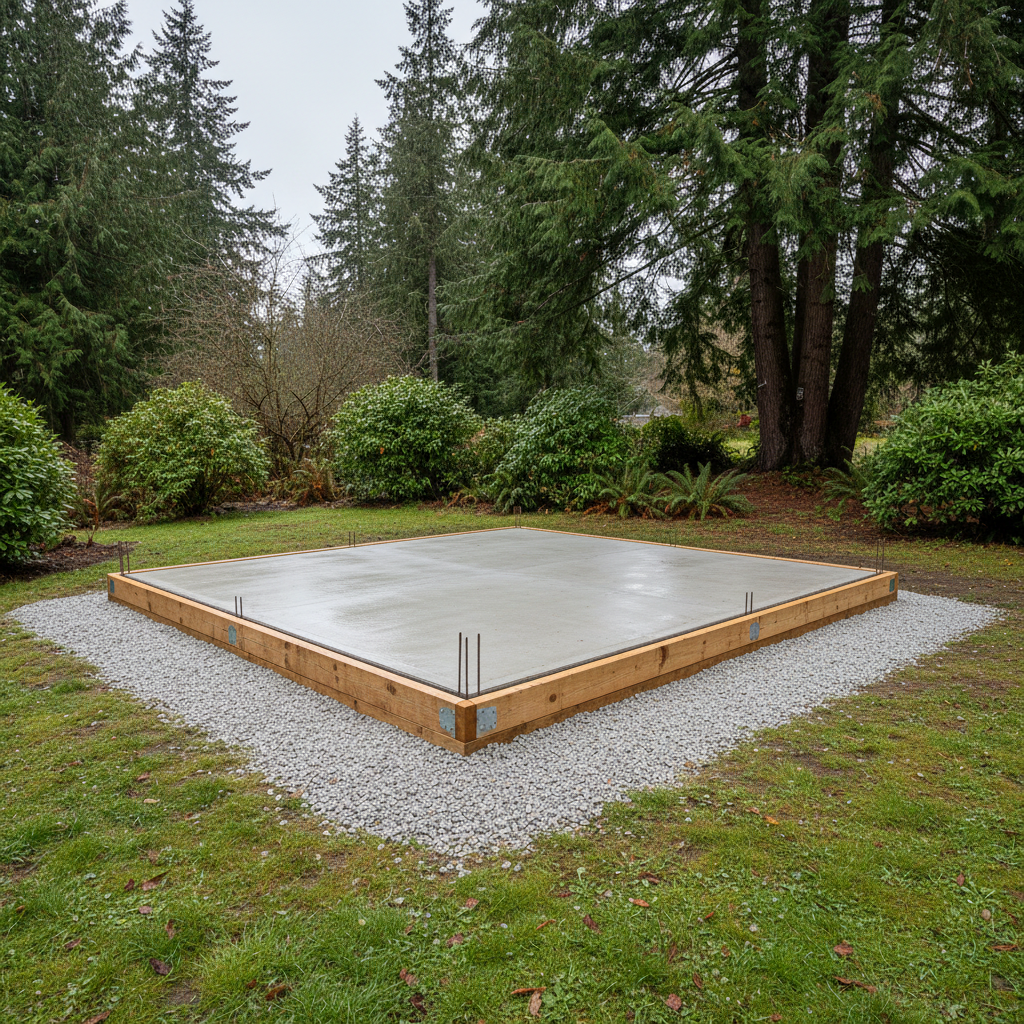
Thinking your shed foundation is just a simple slab? Think again.
I've been building sheds and doing groundwork around Raymond for years now, and one of the biggest headaches I see homeowners create for themselves is underestimating the foundation. It's not just about pouring some concrete or laying a few blocks, you know? Get it wrong, and you're looking at a crooked shed, water problems, or a complete do-over. Let's talk about the common blunders I've seen and how to steer clear.
Mistake #1: Not Knowing Your Soil
This is huge, especially around here. We've got a real mix of everything, from sandy loam near the river to that heavy, silty clay up on the hills. You simply can't assume your backyard soil is the same as your neighbor's. If you build on soft, unstable ground without proper preparation, your shed will settle unevenly. I've seen sheds tilt so much you could roll a marble from one end to the other, honestly. Before you even think about materials, dig a test hole. See what you're actually working with. If it's really soft or boggy, you might need extra gravel, a deeper footing, or even helical piles. Don't skimp on this; a bad base means a bad shed, no matter how well it's built.
Mistake #2: Ignoring Drainage (Especially in Raymond)
We get a lot of rain here in Raymond, don't we? It's beautiful, but it's also tough on foundations. A common mistake is not considering how water will drain around and away from your shed. If your foundation sits in a puddle, or water collects right against the sides, you're inviting rot, mold, and structural damage. I always tell folks to think about grading. You want the ground to slope away from the shed on all sides. Sometimes, you might need a French drain or a gravel perimeter. Don't just plop your shed down in the lowest spot in your yard because it's convenient. Water always finds the path of least resistance, and you don't want that path to be under your shed.
Mistake #3: DIYing Without the Right Knowledge or Tools
Look, I'm all for a good DIY project. But a shed foundation isn't just a weekend warrior job if you don't know what you're doing. I've seen folks try to eyeball levels, mix concrete by hand for a large slab, or use flimsy forms. The results are usually uneven, cracked, or simply not strong enough. You need proper leveling tools, a good understanding of concrete mixes, and the right equipment for moving heavy materials. If you're not confident, it's better to hire someone who is. A poorly laid foundation will cost you more in repairs later than it would to have it done right the first time.
Mistake #4: Not Planning for Future Use
What are you putting in that shed? Is it just garden tools, or are you planning a workshop with heavy machinery? Will it be heated, or just storage? These questions directly impact your foundation choice. A simple gravel pad might be fine for a small garden shed, but if you're putting a lathe or a bunch of lumber in there, you'll need a solid concrete slab with proper rebar. I've seen people build a shed, then realize they want to put something heavy inside, only to find their foundation isn't up to snuff. Think ahead. It's much easier and cheaper to pour a stronger slab now than to tear out and replace it later.
Mistake #5: Hiring the Cheapest Bid Without Due Diligence
Everyone wants to save a buck, I get it. But when it comes to foundations, the cheapest bid can often be the most expensive mistake. I've seen fly-by-night crews come through town, slap something together, and then disappear when problems arise. When you're getting quotes for foundation work, ask questions. What's their experience with foundations in our local soil conditions? Do they pull permits if required? (For larger sheds, you might need one.) Do they offer a warranty on their work? Check references. A reputable contractor, like us at Custom Sheds of Raymond, will be transparent about their process, materials, and pricing. We'll explain why a certain foundation type is best for your specific site. Don't just look at the bottom line; look at the value and the good night's sleep they offer.
Your shed is an investment. Its foundation is literally the bedrock of that investment. Take the time to plan it right, understand your site, and don't be afraid to ask for help from folks who know what they're doing. You'll thank yourself for it down the road.