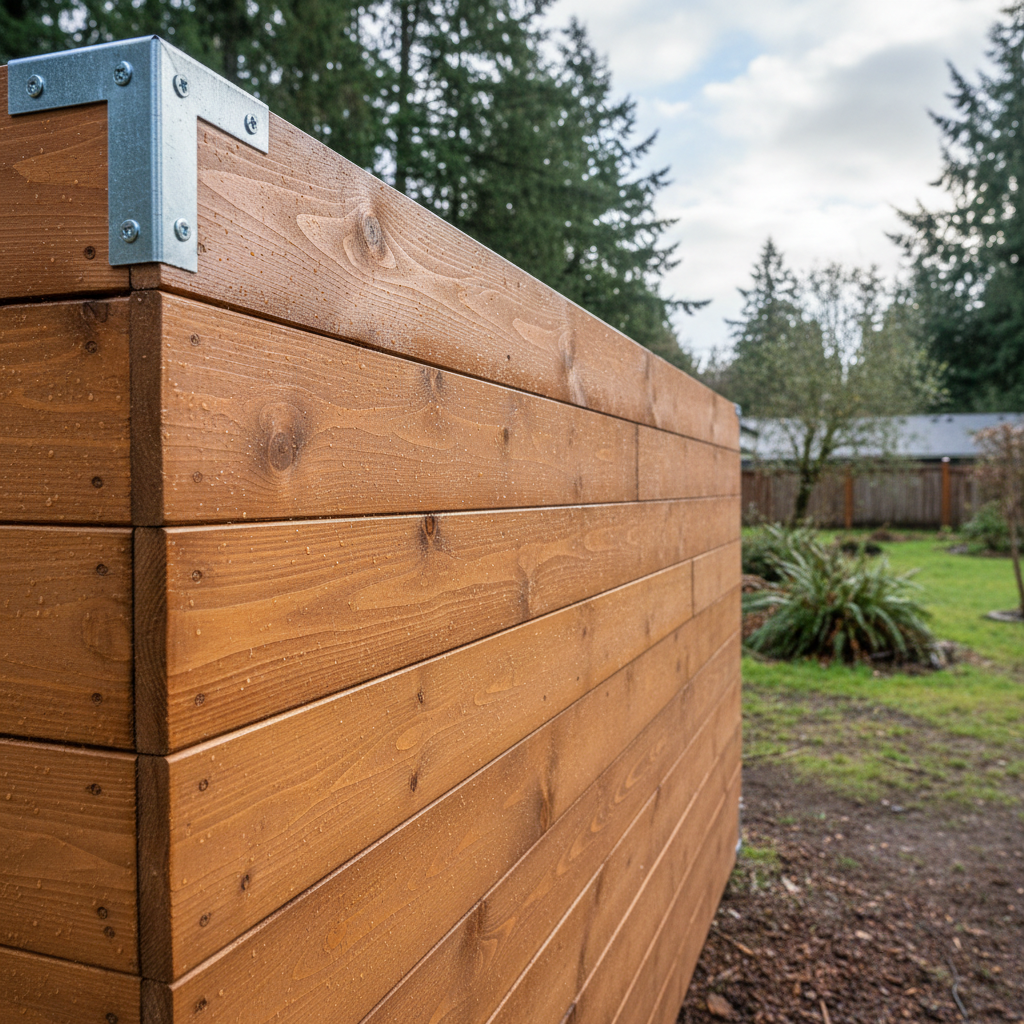
Alright, let us talk about Livestock Shelters. If you have animals, you know they need a good place to get out of the weather. This is especially true with our Raymond rain and wind. It is not just about keeping them dry; it is about keeping them healthy as well as happy. Our team has built many of these Livestock Shelters around here. We hear a lot of the same questions about Livestock Shelters. So, we figured we would lay out some straight answers for you.
Do I need a permit to build a Livestock Shelter in Raymond, WA?
This is probably the first thing most folks ask. It is a good question. Generally, if you are building any structure, you will need a permit from the City of Raymond. The city's municipal code states that no building or structure can be erected, moved, added to, or structurally altered without a permit. This permit must be issued by the building inspector.
Now, there might be some exceptions for really small, non-permanent structures. For anything substantial enough to house livestock, you should always check. The City of Raymond handles building permits for properties within city limits. If you are unsure if your property is within city limits, it is best to contact them directly. You can reach out to the Building Permit Tech, Tia Channell, for assistance with permitting requirements as well as forms.
Beyond building permits, you will also need to consider zoning. Raymond has different zoning districts. These include residential, commercial, as well as industrial areas. Keeping certain animals within city limits often requires a permit from the city council. They will look at things like sanitation, care, as well as odor control. This permit usually comes with a fee. Hoofed animals, for example, are specifically mentioned in the city's animal control regulations. It is always best to talk to the city's Planner, Will Hamlin, about zoning information.
What is the right size for a Livestock Shelter?
This really depends on what kind of animals you are sheltering. It also depends on how many of them you have got. You do not want them cramped, especially in our damp climate. Cramped conditions can lead to health issues. A good rule of thumb is to give them enough space to lie down, stand up, as well as move around comfortably in their Livestock Shelter.
For horses, you are looking at roughly 80-120 square feet per horse for the first two. Then you need about 60 square feet for each additional horse. So, for 3-4 horses, a 12x24 shed is a good minimum Livestock Shelter size. For cattle, about 60 square feet per cow is needed. Or you need 100 square feet for a cow and calf. For 4-5 cows, a 12x24 or larger Livestock Shelter is recommended. Smaller animals like goats, sheep, or pigs need less space. They still need adequate space to avoid overcrowding in their Livestock Shelter.
Some folks opt for multiple smaller Livestock Shelters rather than one huge one. This is especially true if you have a dominant animal that might try to hog the space. In addition, consider the height of the Livestock Shelter. Horses and cows need more headroom than, say, chickens.
What materials are best for a Livestock Shelter in Raymond's climate?
Our weather here in Raymond means you need materials that can stand up to a lot of moisture as well as wind. You want something durable that will not rot or fall apart quickly. Our team always recommends pressure-treated lumber for any framing that touches the ground. It resists rot as well as insect damage. For siding, metal panels or heavy-duty wood siding are solid choices. They can handle animal wear and tear as well as our weather. These materials are important for a good Livestock Shelter.
Roofing is important for a Livestock Shelter. You need something that sheds water efficiently. It also needs to stand up to strong winds. Metal roofing is a popular choice for its durability as well as its ability to shed water. Inside the Livestock Shelter, you want surfaces that are easy to clean as well as sanitize. Think about materials that can resist chewing as well as impact from animals. At Custom Sheds of Raymond, we focus on using sturdy framing as well as durable materials. These materials are easy to maintain. This ensures a healthy environment for your livestock in their Livestock Shelter.
How do I handle drainage around a Livestock Shelter?
This is important, especially here in Raymond where we get so much rain. Standing water around a Livestock Shelter is a recipe for mud, disease, as well as an unhappy herd. You need proper drainage to prevent water pooling as well as damp conditions inside the Livestock Shelter.
A gravel base with good drainage is often ideal. It allows water to drain away from the structure. If you go with a concrete slab, make sure it is sloped for drainage. Think about the natural slope of your property as well as where water naturally flows. You might need to install gutters as well as downspouts on the Livestock Shelter. This will divert rainwater away. French drains can also be a good solution to redirect excess surface water. Locating your Livestock Shelter on higher ground can also help improve drainage as well as prevent ponding.
Our soils in Western Washington, often with high clay content, can hold a lot of water. This can cause issues with foundations if not managed properly. Proper site preparation, like loosening compacted subsoil as well as amending with compost, can improve drainage as well as soil health for your Livestock Shelter.
What about ventilation for a Livestock Shelter?
Good ventilation is key for animal health. Stale, humid air can lead to respiratory problems as well as other illnesses. You want to make sure fresh air circulates without creating drafts. This is especially important in winter when animals are kept inside more. Fabric-covered Livestock Shelters, for example, are often chosen for their natural light as well as improved ventilation.
For a custom-built Livestock Shelter, we will design it with proper airflow in mind. This might involve strategic placement of openings, vents, or even a cupola. You want to avoid dampness as well as drafts. These are common issues in our region for Livestock Shelters.
How can I protect my livestock from predators?
Predators are a real concern for livestock owners. Coyotes are common in Washington. Depending on your location, you might also deal with bobcats or even wolves. An integrated approach using both non-lethal as well as lethal techniques is often most effective for Livestock Shelters.
Non-lethal methods include good fencing, using guard animals like certain dog breeds, as well as proper lighting. Some ranchers even employ range riders to monitor as well as protect livestock from wolves. Secure enclosures at night are important, especially for smaller animals like chickens, goats, as well as sheep. Traps can also be used for smaller predators. These are all considerations for your Livestock Shelter.
Building a sturdy Livestock Shelter with solid walls as well as secure doors is your first line of defense. We can discuss options like reinforced siding or specific door types. This will help deter predators when we are designing your Livestock Shelter.
Where can I buy feed and supplies locally in Raymond?
You have a few options around here for feed as well as farm supplies. While Raymond itself is a smaller town, there are several good stores within a reasonable drive. Places like Elma Feed & Farm Supply, Del's Feed & Farm Supply in Montesano, or Tractor Supply Company in Aberdeen are popular choices. There are also other local farms, like Fern & Briar right here in Raymond. They raise pigs, goats, as well as chickens. They might be a resource for some supplies or knowledge. Wortley Ranch, also in Raymond, raises cattle, sheep, as well as goats. They could be another local connection. It is always worth checking with these local businesses. They often have great advice as well as products tailored to our area for your Livestock Shelter needs.